


KPI or OKR, how to distinguish?


Let’s begin our study with general definitions of each abbreviation. So, KPI (key performance indicators) are key performance indicators, the goals in KPI are specific and achievable.
OKR (Objectives Key Results) is a methodology for setting and achieving ambitious goals.
OKRs and KPIs can be set at the company, team or group of departments level, or at the individual level.
Key differences between OKRs and KPIs.
- OKRs are used to manage change and innovation, while KPIs are used to manage processes.
- Unlike KPIs, OKRs are not part of compensation/pay
- OKR principle: no more than three to five goals.
- KPIs must always be 100% achieved.
- OKR achieved at 70% is cool.
- KPIs are not open at all levels in the company
- OKRs should be open within the company and always publicly available to employees
- OKRs can be implemented both top-down and bottom-up, but KPIs are organized only top-down
Therefore, it is important to understand that OKRs and KPIs are different: OKRs are about ambitions that should contribute to a breakthrough in business, while KPIs are about maintaining the planned positions that we set for ourselves. Having implemented both approaches in the company, it is extremely important to distinguish between them and take into account the peculiarities and ultimate goal of each of them.
Related posts
Explore more articles to deepen your understanding of CRM, sales optimization, and customer engagement. Learn practical strategies, real-life case studies, and tips to improve your business performance.

Today, every organization is significantly affected by digital transformation that is catalyzed by changes in the global economy. Digital HRM #digitalHRM is based on the utilization of technologies and the introduction of digital tools to optimize and improve the work of HR. So, can technology really help accelerate the quality development of an organization, without losing quality and focus on companies values?
First, let’s not forget that Digital HRM transformation involves not only the use the software, digital platforms, and technological tools for automation but, first of all, the improvement of personnel management processes due to these technologies. When used correctly, Digital HRM has a positive impact on organizational productivity through improved work flexibility, increased efficiency, improved talent acquisition, increased employee engagement, and data-driven decision-making.
More flexibility
Digital HRM helps organizations quickly respond to market changes and adapt to new business models. For example, using digital tools to organize remote work helps adapt to the needs of a distributed workforce and improve overall work efficiency.
Less routine
Using digital tools helps automate up to 90% of routine HR administrative tasks, freeing up time for more strategic work. Automated placement of vacancies, analysis of resumes for compliance with vacancy requirements, planning of adaptation and development of employees based on the results of work and the potential of the employee, all this and much more, can not only increase the overall efficiency of work organization but also help reduce costs and burnout on the part of employees of the department HR.
Attracting talent
Digital HRM helps companies attract the right talent more efficiently and quickly by using digital tools to screen candidates and conduct online interviews, conduct online tests to match candidates to position expectations.
Employee engagement
Digital HRM helps organizations attract and retain employees by providing personalized learning and development opportunities, engagement in shared goals, motivational choices, and compensation models. This leads to higher job satisfaction and increased productivity.
Decision-making based on data
Digital HRM allows managers and HR specialists to receive generalized information based on analyzing large volumes of data to make more informed decisions without spending time on analysis. For example, analyzing employee data can help organizations identify areas for improvement and make informed decisions to improve work efficiency.
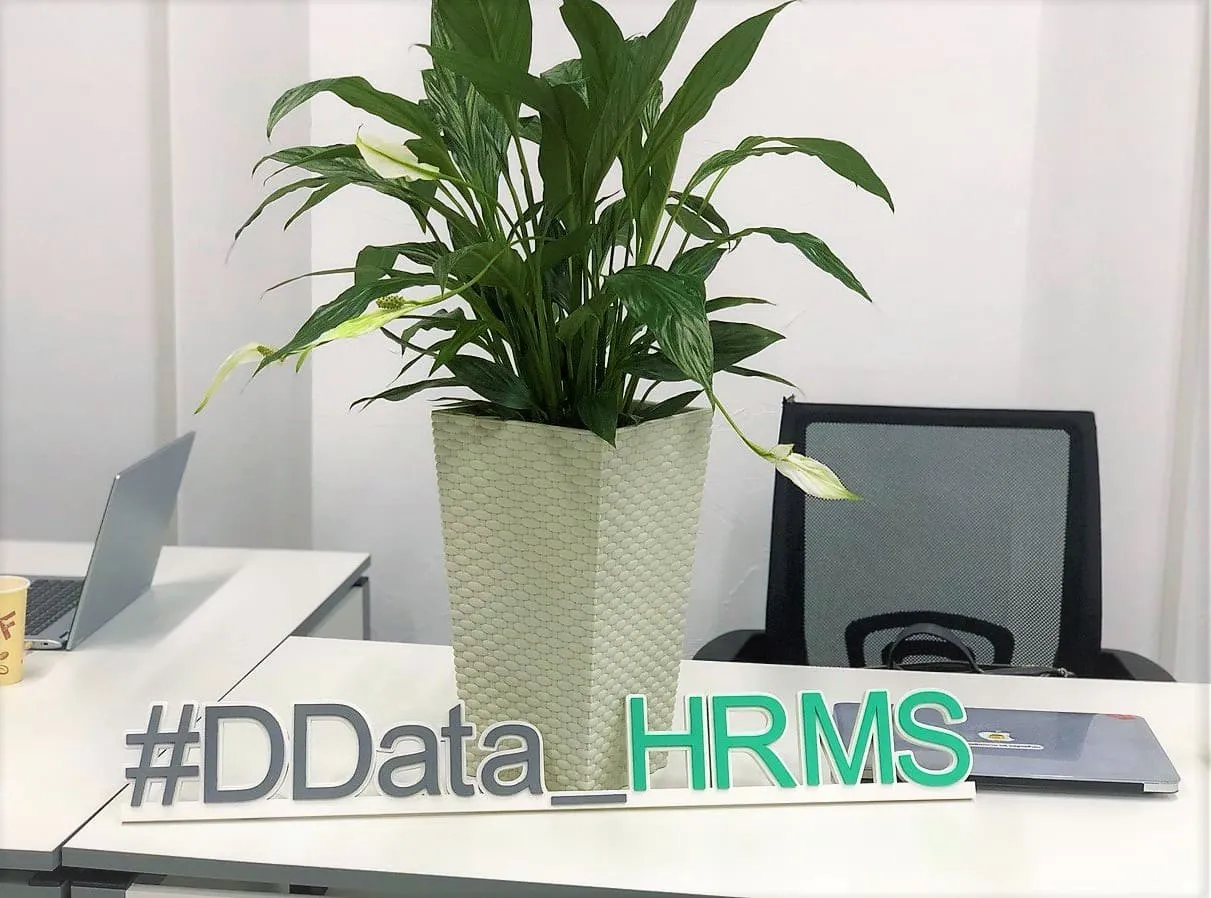
Previously, HR managers could only dream that most routine tasks could be solved with a few mouse clicks. In today’s digital age, more and more automation services are appearing on the IT market. The implementation of the HRM system has become an inevitable reality, but how to choose such a system that will really contribute to the development of your business?
Let’s take a closer look at what points you should pay special attention to:
- Learn more about the functionality offered by the systems
- Formulate a list of your key needs and determine the possibility of adapting the functionality for you.
- Involve employees from other departments (financial, IT, etc.) in the selection process and take their wishes/observations into account.
- Compare the terms of payment and implementation (cost and principles of payment; complexity and terms of implementation, the need to involve additional technical specialists)
- Do an analysis of the end user (who will use the product; what skills are needed; the need for additional training and its duration)
- Study the development company in more detail (practical cases; quality, speed and type of support it offers).
It is critical to understand how the HRM system scales. As a rule, the needs of the HR department grow every year. That’s why it’s worth finding out if the product and the developers behind it meet your future needs.